Hunger in the UK Wave 2 (Sept 25)
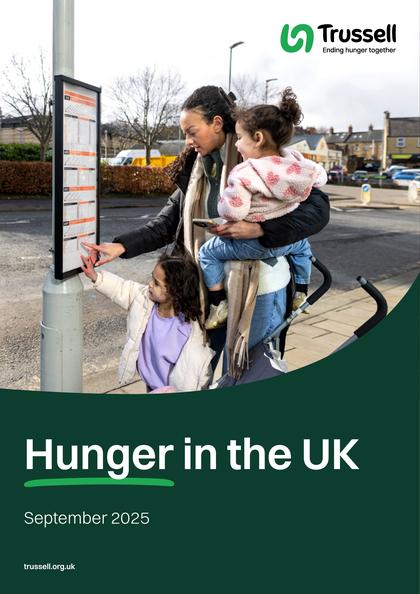
This Trussell report presents a comprehensive assessment of hunger in the UK in 2024. It finds that food insecurity has increased to 16% of households, affecting 14.1 million people, despite falling inflation and no reduction in food bank use. Hunger is driven primarily by low incomes, debt, insecure work and an inadequate social security system, disproportionately affecting disabled people, families with children, renters and marginalised groups. Drawing on large-scale surveys and lived experience research, the report shows why food banks remain widely used and sets out policy changes needed to reduce severe hardship and end the need for emergency food.
A Growing Health Toolkit
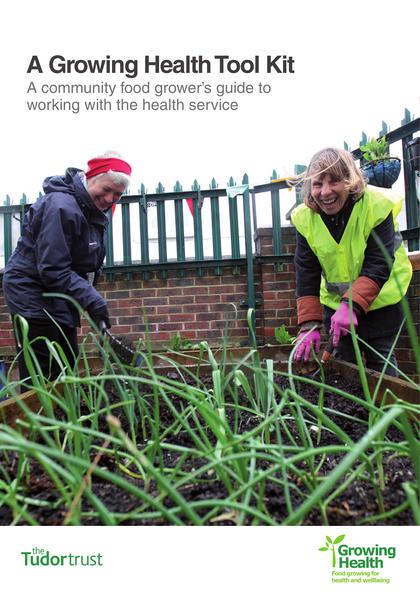
A Growing Health Tool Kit is a practical guide produced by Garden Organic and Sustain to help community food growing projects work with the health and social care system. It explains how health commissioning works, how to develop and present food growing activities as health services, and how to gather evidence and measure impact. The toolkit brings together research on the physical, mental and social benefits of gardening, alongside product examples, evaluation tools and case studies of commissioned projects. It is designed to support community growers to secure funding, build partnerships and contribute to public health outcomes.
Food poverty: Households, food banks and free school meals
July 25 House of Commons Library research briefing – an evidence-based overview of food poverty in the UK, covering household food insecurity, food bank use and free school meals. Latest national statistics, trends over time and disparities by income, region, ethnicity and family circumstances. It also examines the impact of the cost of living crisis and food price inflation, outlining current government policy and funding arrangements. It is designed as an impartial reference to support understanding, analysis and decision-making, drawing on official government data and major charity datasets, including Trussell food bank figures and Department for Work and Pensions statistics.
Spark iT Impact Report 2026
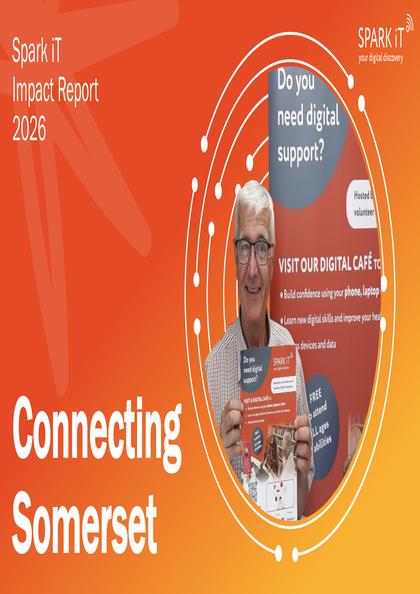
Spark iT was founded in 2021, as the UK emerged from Covid, to tackle digital exclusion at its roots. Today, partnering with community spaces to run
Digital Cafés across Somerset each month, more than 30 cafés open their doors. Each with trained and friendly volunteer Digital Champions on hand, ready to help.
They’re free, welcoming to everyone, and support people to use the internet safely and access online services that support their health, wellbeing and daily lives.
A study of The Reach Foundation’s Cradle-to-Career Partnership
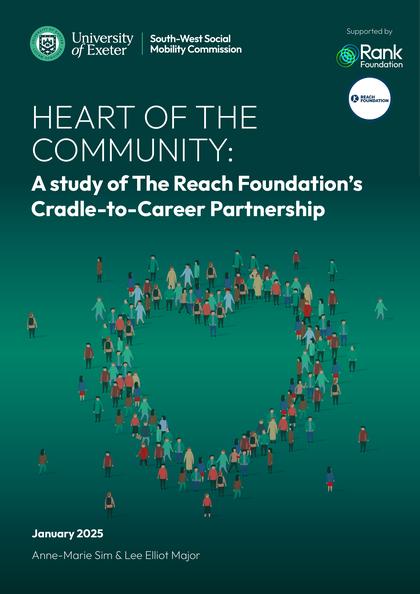
This document gives practical insights into cradle-to-career (C2C) models and community-based approaches for improving social mobility. It provides actionable steps, case studies, and 15 innovative practices that can be adopted to support under-resourced children and families. By reading, VCFSEs will gain strategies for partnership, community engagement, and sustainable impact, helping them drive joined-up, relational support and systemic change in their local areas. Holyrood School in Chard is one of the case studies
PROMISEworks Impact Report 24/25
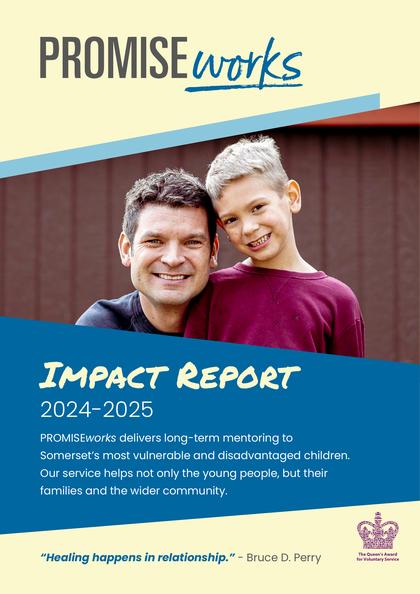
PROMISEworks latest results from a year of imbedding impact and presenting needs analysis.
The Nelson Trust – 2025 Impact Report
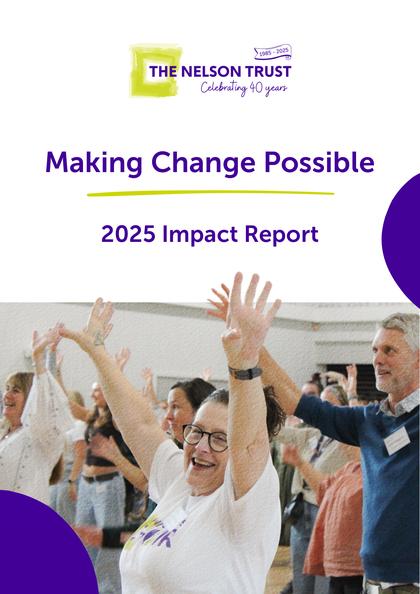
The Nelson Trust 2025 Impact Report highlights a year of growth, connection, and transformative support for individuals facing addiction and multiple disadvantages. Key achievements include the opening of new Women’s Centres, impactful recovery services, innovative training programs, and successful fundraising events. The report celebrates their 40th anniversary, showcasing milestones like the Coronation Meadow event, the One Wales service expansion, and partnerships with HRH The Duchess of Gloucester. With a focus on holistic, trauma-informed care and community collaboration, the report demonstrates the Trust’s commitment to making meaningful change and outlines its vision for an even greater impact in 2026.
Women’s Aid: Nowhere to Turn 2024
The Nowhere to Turn 2024 report by Women’s Aid highlights the critical role of the No Woman Turned Away (NWTA) project in supporting survivors of domestic abuse facing barriers to safe accommodation. It provides insights into systemic inequalities, inadequate refuge spaces, and failures by statutory services to meet their legal duties. The report shares data and case studies, revealing the challenges women and children encounter, including financial hardship, unsuitable temporary housing, and further abuse. It emphasizes the need for sustainable funding, improved statutory support, and specialized training to ensure survivors can access safety and recover from abuse.
St Giles evaluation protocol
This document outlines the evaluation protocol for the SOS+ embedded mentoring programme, developed by St Giles Trust and evaluated by the National Centre for Social Research (NatCen). The programme aims to reduce violent offending among children and young people involved in criminal activity, youth violence, or exploitation by embedding mentors with lived experience in schools. It details the study’s rationale, methodology, target group, intervention design, and evaluation components, including impact, implementation, process, and cost analyses. The document also emphasizes equity, diversity, and inclusion, ethical considerations, and data protection measures, providing a comprehensive framework for assessing the programme’s effectiveness and scalability.
Stigma in the System
This report, “Stigma in the System,” explores how stigma is embedded in the UK social security system, impacting claimants’ financial security, mental health, and trust in the system. It examines public perceptions, institutional practices, and internalized stigma, revealing how these factors discourage people from claiming benefits they are entitled to. The report highlights the emotional toll of navigating the system and offers recommendations to humanize, simplify, and better resource social security, aiming to reduce stigma and improve outcomes for claimants. Essential reading for policymakers, advocates, and anyone interested in creating a fairer, more supportive welfare system.