Hunger in the UK Wave 2 (Sept 25)
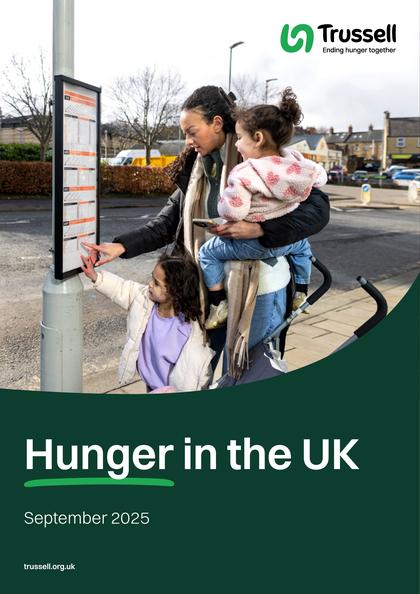
This Trussell report presents a comprehensive assessment of hunger in the UK in 2024. It finds that food insecurity has increased to 16% of households, affecting 14.1 million people, despite falling inflation and no reduction in food bank use. Hunger is driven primarily by low incomes, debt, insecure work and an inadequate social security system, disproportionately affecting disabled people, families with children, renters and marginalised groups. Drawing on large-scale surveys and lived experience research, the report shows why food banks remain widely used and sets out policy changes needed to reduce severe hardship and end the need for emergency food.
Food poverty: Households, food banks and free school meals
July 25 House of Commons Library research briefing – an evidence-based overview of food poverty in the UK, covering household food insecurity, food bank use and free school meals. Latest national statistics, trends over time and disparities by income, region, ethnicity and family circumstances. It also examines the impact of the cost of living crisis and food price inflation, outlining current government policy and funding arrangements. It is designed as an impartial reference to support understanding, analysis and decision-making, drawing on official government data and major charity datasets, including Trussell food bank figures and Department for Work and Pensions statistics.
A study of The Reach Foundation’s Cradle-to-Career Partnership
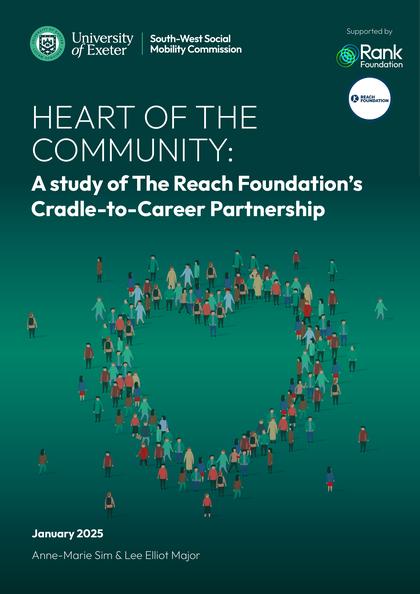
This document gives practical insights into cradle-to-career (C2C) models and community-based approaches for improving social mobility. It provides actionable steps, case studies, and 15 innovative practices that can be adopted to support under-resourced children and families. By reading, VCFSEs will gain strategies for partnership, community engagement, and sustainable impact, helping them drive joined-up, relational support and systemic change in their local areas. Holyrood School in Chard is one of the case studies
Co-Creating Green: A Strategic Public Art Vision for Lyngford Park, Taunton
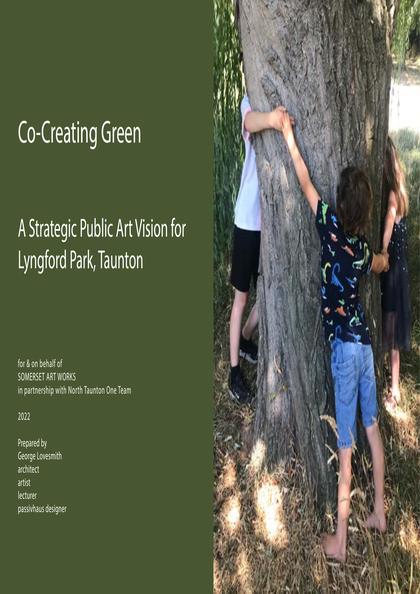
Details co-created approaches in Taunton, Somerset, showing how arts-led and green-space activities build community capacity and shape inclusive places. It offers practical steps, templates and evidence to support arts, culture & heritage. A partnership between Somerset Art Works and North Taunton One Team.
BMJ Military Health – Evaluation of NHS England ‘Op COURAGE’ High Intensity Service
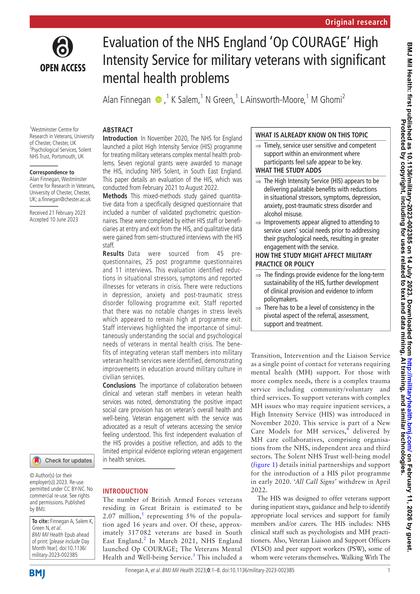
Mixed‑methods evaluation showing reductions in depression, anxiety and PTSD; highlights value of integrated veteran staff and social support.
Mendip Nature Connections – Evaluation Report (2025)
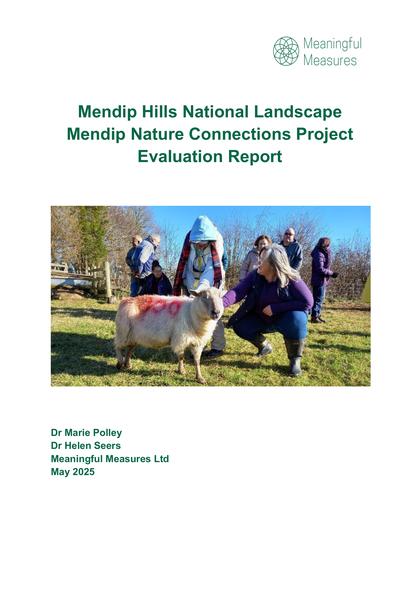
Independent evaluation of a nature‑based wellbeing programme in Mendip Hills National Landscape, with volunteer hours and outcomes
Improving Accessibility and Fairness in NHS Procurement: A VCFSE Perspective
There has been a growing concern within the voluntary, community, faith and social enterprise (VCFSE) sector that smaller or newer providers are disadvantaged in
NHS procurement processes, particularly when commissioning children and young people’s mental health services. Somerset Integrated Care Board (SICB) invited the Partnership Manager for Children and Young People’s Mental Health (CYPMH) to participate in a subsequent procurement exercise. This collaboration aimed to increase transparency, offer the VCFSE sector a clearer understanding of how NHS procurement operates, while also identifying opportunities for improvement.
Support for Children and Young People to understand their feelings and mental health in Somerset
This report presents the findings from activity conducted in 2024 by a multi-agency group aimed at understanding the lived experiences of children, young people, parent carers, and those who support them in accessing help for managing their emotions and mental health.
The report builds upon existing intelligence, incorporating local and national data, including insights from prior surveys. By centering the lived experiences of those involved, it
identifies barriers to accessing support and highlights areas for improvement.
UK DRI: Diversity and dementia
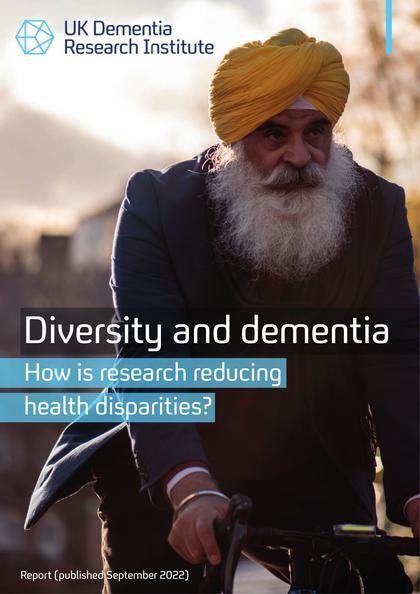
How is research reducing health disparities? The UK Dementia Research Institute published this report in 2022. It looks at the statistics of dementia research and considers how health inequalities may play a role in understanding the true impact of dementia. They explore how dementia research may help to understand how and why different groups are affected differently by the same diseases, in order to target nterventions where they are most needed to maximise their benefit. “We must reject longstanding biases in scientific research, and instead innovate in the name of inclusivity”
Dementia Dekh Bhaal
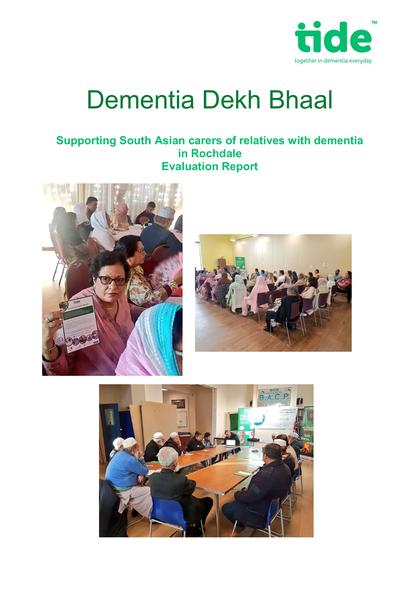
Supporting South Asian carers of relatives with dementia in Rochdale – an Evaluation Report
An evaluation of the Dementia Dekh Bhaal (meaning ‘to care for dementia’) project, set up by tide (together in dementia everyday). The project was commissioned to address the needs of South Asian carers by developing and delivering a training package for professionals, campaign to increase awareness and use the power of stories to change perceptions. The project used an Asset Based Community Development approach and used ‘Lived Experience’. It was seen as successful and was recommended to be embedded in other community engagement projects