UK DRI: Diversity and dementia
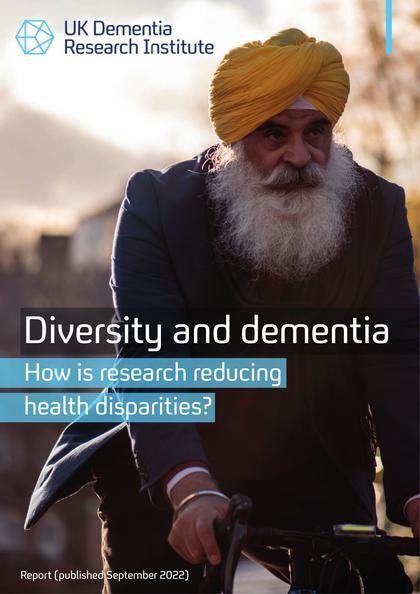
How is research reducing health disparities? The UK Dementia Research Institute published this report in 2022. It looks at the statistics of dementia research and considers how health inequalities may play a role in understanding the true impact of dementia. They explore how dementia research may help to understand how and why different groups are affected differently by the same diseases, in order to target nterventions where they are most needed to maximise their benefit. “We must reject longstanding biases in scientific research, and instead innovate in the name of inclusivity”
Dementia Dekh Bhaal
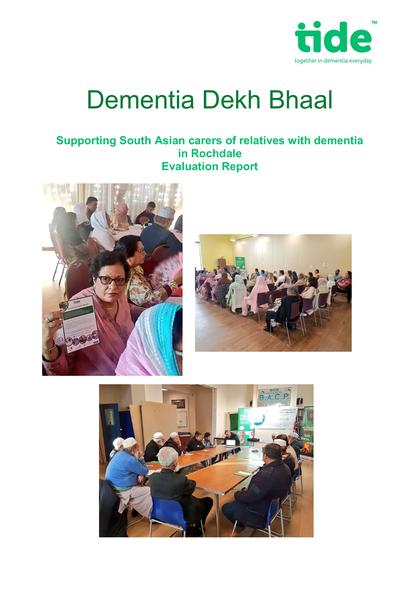
Supporting South Asian carers of relatives with dementia in Rochdale – an Evaluation Report
An evaluation of the Dementia Dekh Bhaal (meaning ‘to care for dementia’) project, set up by tide (together in dementia everyday). The project was commissioned to address the needs of South Asian carers by developing and delivering a training package for professionals, campaign to increase awareness and use the power of stories to change perceptions. The project used an Asset Based Community Development approach and used ‘Lived Experience’. It was seen as successful and was recommended to be embedded in other community engagement projects
Crowded Isolation and Loneliness – full report
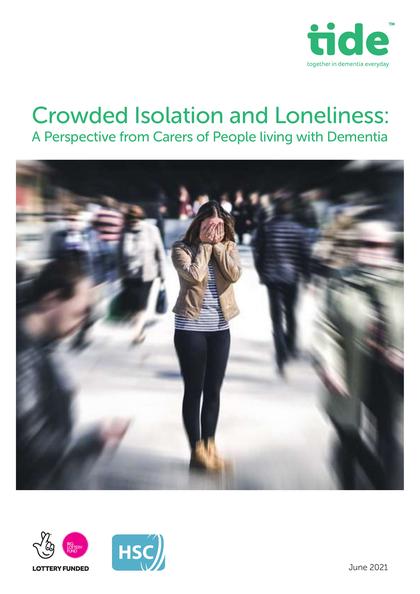
A Perspective from Carers of People living with Dementia
tide (together in dementia everyday) conducted some research looking at the experience of carers of people living with dementia, who are often surrounded with support from many services but feel isolated and crowded with responsibility. This full report explores 6 key themes identified, with additional insights and stories shared. Recommendations for national change are provided
Crowded Isolation a Loneliness Executive Summary
A Perspective from Carers of People living with Dementia
Research undertaken in 2021 to look at the experiences of carers of people living with dementia, who are often ‘engaged’ with many support services, but feel isolated and crowded with responsibility.
An executive summary of the report
Living Grief Booklet for Professionals
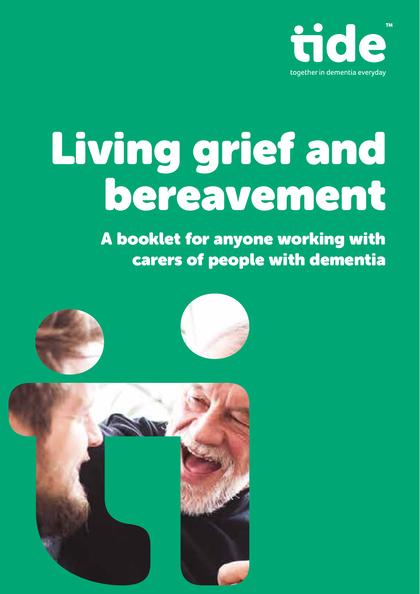
tide (together in dementia everyday) have created a booklet for anyone working with carers of people with dementia, to help them support those individuals with living grief
Making Shared Care a Reality
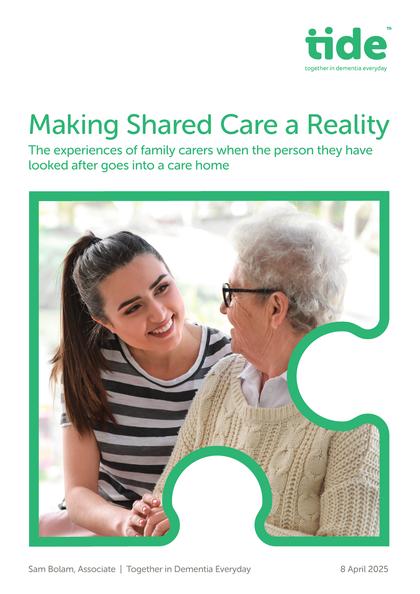
The experiences of family carers when the person they have looked after goes into a care home. Tide (Together In Dementia Everyday) sought feedback from carers once the person they cared for had moved into a care home. It was a lack of consistency across care homes and prompted tide to raise awareness of this disparity and make recommendations for future action.
Guide to the Living with Dementia Toolkit
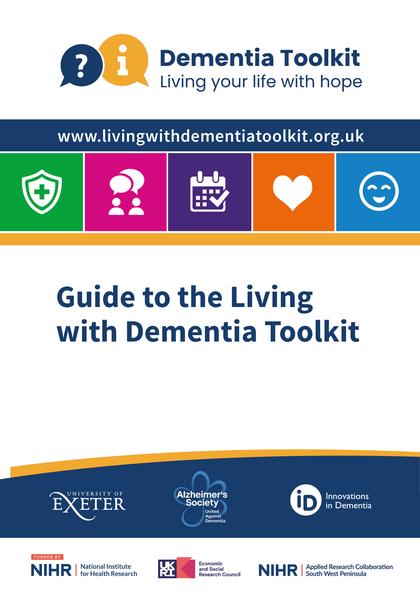
A guide for those living with dementia and their carers and family. The toolkit is arranged in 5 themes – stay safe and well, stay connected, keep a sense of purpose, stay active, stay positive. It was created based on research and co-production with a group of people with dementia and carers. Includes links to research and signposts to further information for resources to help people with dementia. An example of how documents can be made accessible, with explanations about QR codes etc
Dementia and Hope
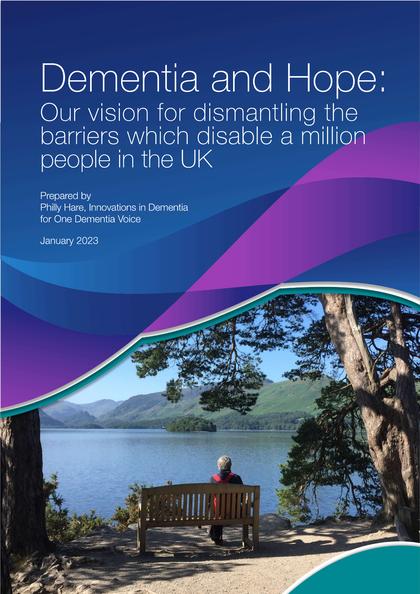
This document sets out the vision of a group of dementia organisations in the UK who have come together as One Dementia Voice. It outlines how these organisations are thinking differently about their support for those living with dementia, and how wider societal barriers can be overcome with the right support. It addresses frequently asked questions and provides suggestions on how to embed ‘Dementia and Hope’ into your organisation. There are also many personal stories and examples of how ‘reasonable adjustments’ can and should be made for people with dementia.
Young Dementia Network – The Angela Project
Good practice in young onset dementia
This document summarises the findings from The Angela Project, a 3 year long Alzheimer’s Society funded research study. Researchers consulted young people living with dementia and their families, international clinical experts and service providers in the largest study of young onset dementia ever carried out in the UK. It aims to raise awareness of inequalities and provide evidence-based recommendations for good practice on areas of diagnosis, patient support, post-diagnostic support and service design and delivery.
Libraries and dementia: connecting people with dementia
In 2022, Innovations in Dementia working with a number of libraries in the UK to explore their experiences of dementia and opportunities for further work and connection. This document outlines some key findings from that research, divided into 4 key sections: Key statistics about digital exclusion, ‘how to’ tips on bidding for and managing funded dementia projects, case study examples and ‘how to’ guides for supporting and encouraging people to access simple technology. Whilst aimed at libraries, findings apply to anyone considering dementia support and digital inclusion