ICO – Recommendations for charities – Data protection essentials
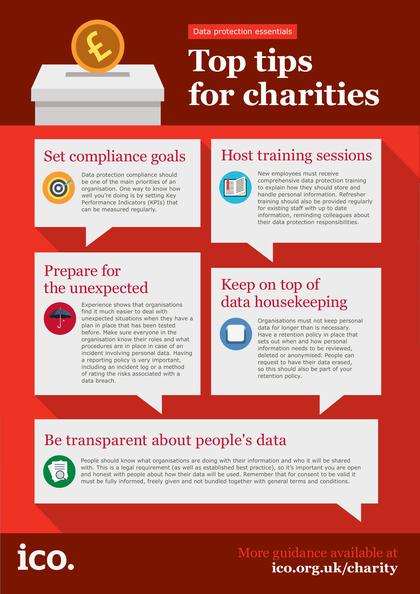
Short tips for small charities: KPIs, training, incident plans, retention/erasure and transparency; links to ICO charity hub.
Somerset Council Volunteering Policy and Framework (Nov 2025)
Sets out a county-wide framework for recruiting, supporting and celebrating volunteers across 70+ roles. Clarifies standards, safeguarding, data protection, and the Central Volunteer Team’s processes.
A Guide to The Effective Involvement of Children and Young People: Resource Pack
A comprehensive resource which explores the ‘why, what, who, when & how’ of involving children and young people in consultations for service development. While the intended audience is Local Authorities, there is lots of information, activities, practical guidance and case studies which will be useful to the VCFSE sector.
Finding your voice: confidence in the community
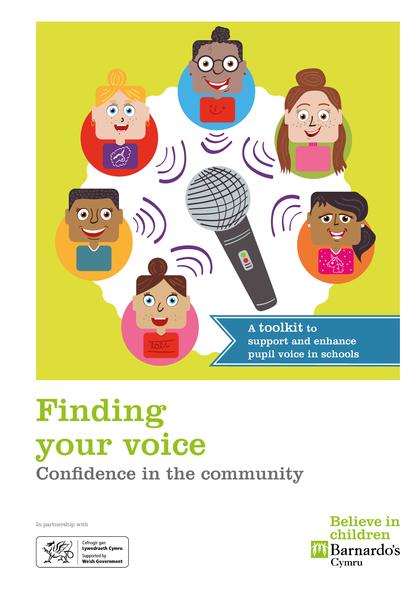
The toolkit is intended for use with Key Stage 2 aged children, in order to support them to conduct a research and action project in their school to make changes on things within their school or local community which matter to them.
Improving Accessibility and Fairness in NHS Procurement: A VCFSE Perspective
There has been a growing concern within the voluntary, community, faith and social enterprise (VCFSE) sector that smaller or newer providers are disadvantaged in
NHS procurement processes, particularly when commissioning children and young people’s mental health services. Somerset Integrated Care Board (SICB) invited the Partnership Manager for Children and Young People’s Mental Health (CYPMH) to participate in a subsequent procurement exercise. This collaboration aimed to increase transparency, offer the VCFSE sector a clearer understanding of how NHS procurement operates, while also identifying opportunities for improvement.
Support for Children and Young People to understand their feelings and mental health in Somerset
This report presents the findings from activity conducted in 2024 by a multi-agency group aimed at understanding the lived experiences of children, young people, parent carers, and those who support them in accessing help for managing their emotions and mental health.
The report builds upon existing intelligence, incorporating local and national data, including insights from prior surveys. By centering the lived experiences of those involved, it
identifies barriers to accessing support and highlights areas for improvement.
Community-Based Participatory Research Workbook
This workbook is for anyone interested in community based research. It is for someone new to research as well as someone who has more experience. Each page takes you through a step in the research cycle. So, it starts with what your community needs and ends with how community members can get the best of out of the research project.
Dementia 100: Summary Guidance
The fundamental concept of the Dementia 100: Pathway Assessment Tool is to provide a mechanism for capturing and understanding the characteristics and specific requirements that are considered key to the development and delivery of service and care needs for people living with dementia and their carers. The Dementia 100 extracts and combines pertinent information from multiple sources into a single, consolidated tool for self-assessment. Completed at Place level, it provides a holistic and integrated view of service provision. At system level it aids strategic planning and sharing best practice.
Running a screening of ‘The World Turned Upside Down”
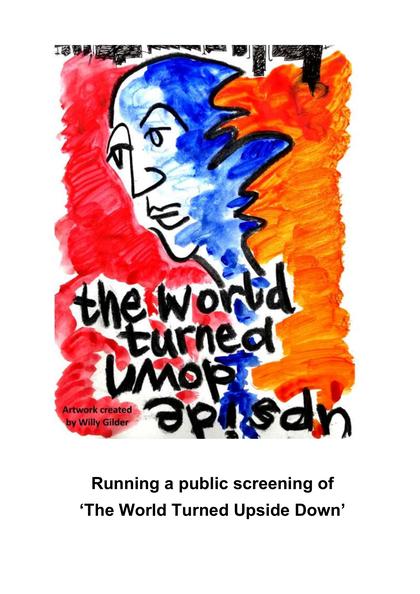
‘The World Turned Upside Down’ is a play that was staged in Exeter in January 2022. This film shows both the play itself and the process of creating it. We hope that many different types of people will be interested in ‘The World Turned Upside Down’. This guide is designed to help you set up and run your own screening in your local community. Inside are suggestions for how to set up and facilitate a screening event, but everyone’s set-up and audience will be unique. Pick and choose what will work best for you.
DEEP Guide: Dementia words matter
The Dementia Engagement and Empowerment Project (DEEP) have produced guidelines for journalists, organisations and communications departments to inform why language about dementia matters. It allows people to use words and descriptions which was accurate, balanced and respectful. The language used to talk about dementia influences how people with dementia are views and also how they feel about themselves